Ready-to-Move vs Under-Construction Properties: Which Is Better for You?
Ready-to-Move vs Under-Construction Properties: Which Is Better for You?
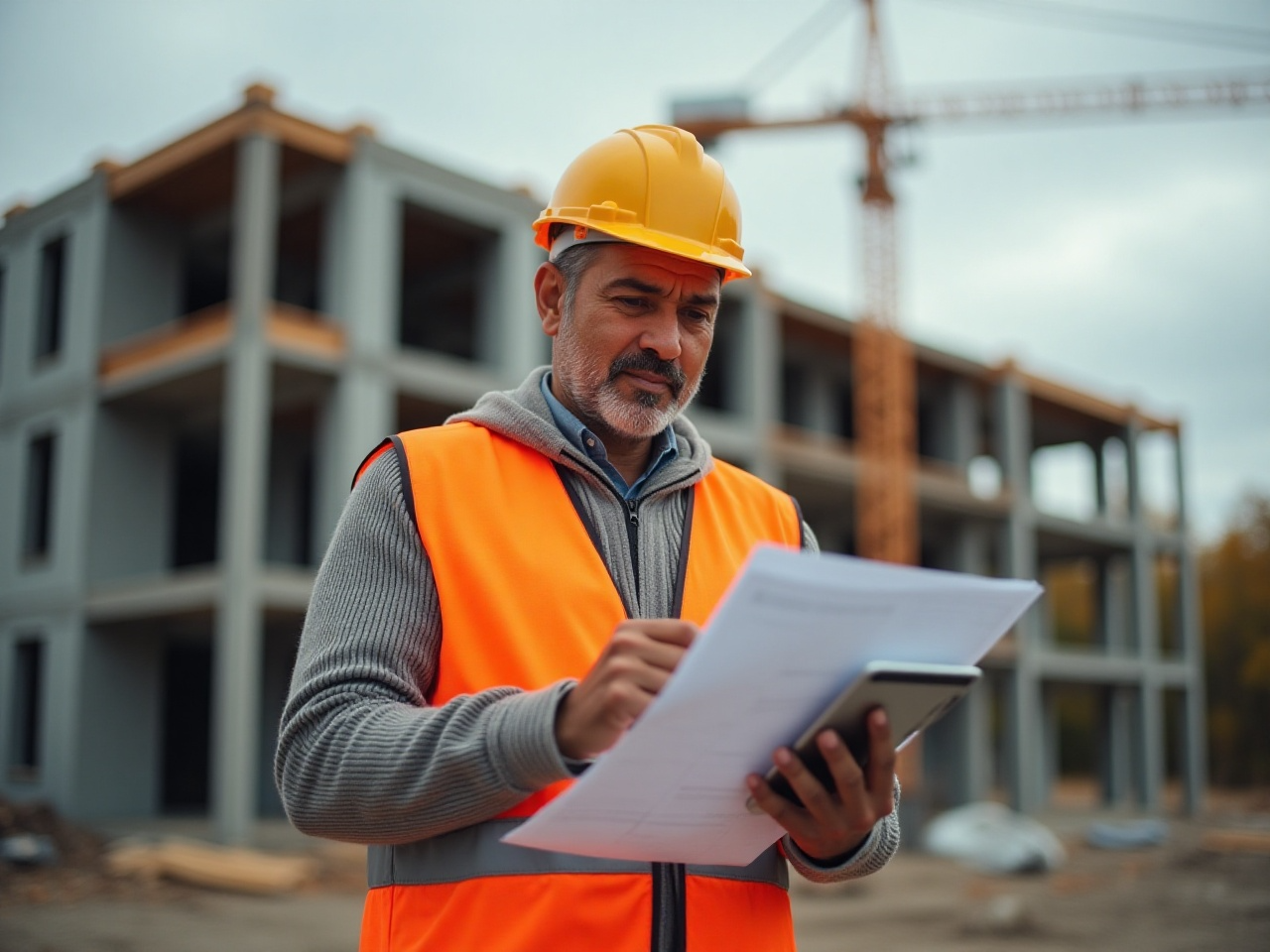
When you buy the house, one of the most important decisions is to choose between the prepared-to-move-in and substructure properties. Both options have their own benefits and shortcomings, based on your financial plans, risk appetite, and lifestyle needs. Let's find out about both types of property to make an informed decision.Clear properties are fully built houses available for immediate possession. After buying, you can rent them properly or start renting them. On the other hand, low-layer properties are still being developed and will take time for the project's timeline, from a few months to several years, before getting ready for possession.Properties during construction are usually 10-30% lower than the houses ready for sale in the same place. This makes them more attractive to buyers looking for strength and potential capital assessment. However, buyers should have a factor in GST (5% on low production houses), which does not apply to the prepared assets when a certificate is completed.The clear-to-the-mouth houses have the least risk-you get what you see, there is no surprise in design, quality, or delivery. This is ideal for the end user who wants immediate coating and security. In contrast, low-risk properties include high risk due to potential delays in the project or regulatory obstacles. However, they offer high ROIs (return on investment) if the project is in a high-development area or launched in the initial phase.Both property types are eligible for mortgages, but debt payments vary. For low-producing houses, such as construction loans, loans are distributed in steps. In addition, sections 80c and § 24 (b) of Lichen properties can only be required by occupation, which delays tax profits. Home ready to move, you can start demanding tax deductions, making them more attractive to officials seeking tax savings.